
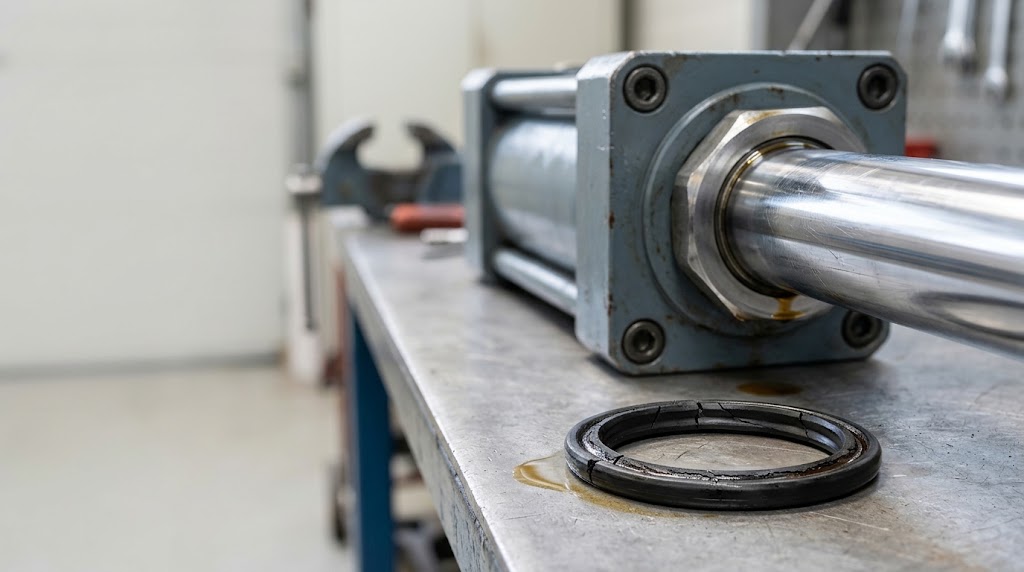
Why Hydraulic Seals Fail: 5 Common Causes and How to Prevent Them
Hydraulic seals play a critical role in containing pressurized fluid, preventing internal and external hydraulic seal leakage, and protecting cylinder components from environmental contaminants. When a seal fails prematurely, understanding the underlying failure mechanism is essential to restoring reliable hydraulic operation.
Why Hydraulic Seals Matter in Industrial Systems
In any hydraulic cylinder, pump, or valve assembly, hydraulic seals maintain the pressure boundary between moving and stationary components. They keep pressurized hydraulic fluid contained within the system while preventing external dirt, moisture, and debris from entering the cylinder assembly.
When hydraulic cylinder seal problems occur, the consequences extend beyond a visible oil drip. Seal failure can result in fluid loss, pressure drops, reduced actuator efficiency, elevated maintenance costs, and unplanned equipment downtime.
Seal failure is often a symptom of a larger problem. Finding the root cause helps prevent repeat failures.
Cause 1: Excessive Heat
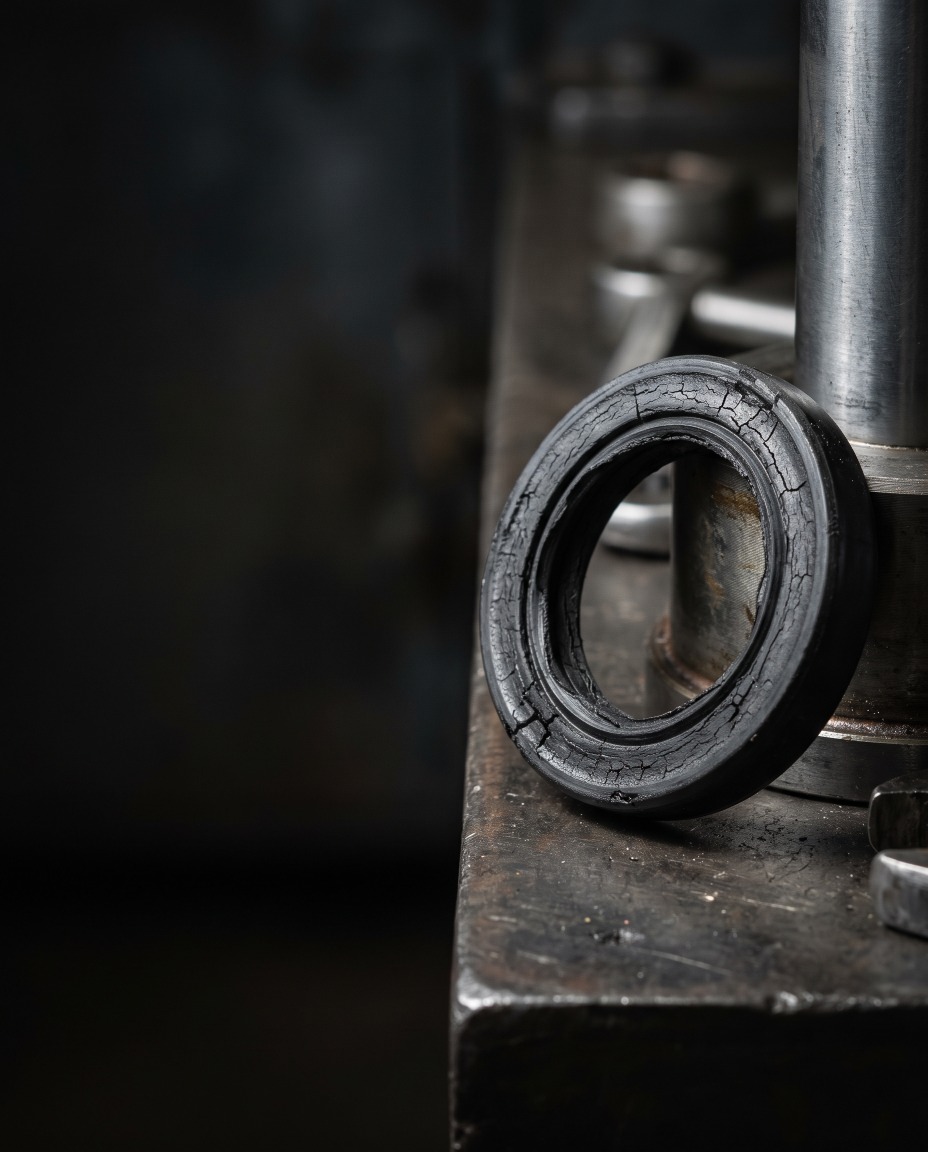
High operating temperatures can harden, crack, or deform seal materials, reducing their ability to maintain a reliable seal.
Check operating temperatures and choose a seal material suited to the application's thermal conditions.
Technical Inspection Note: Thermal Degradation
Cause 2: Contaminated Hydraulic Fluid
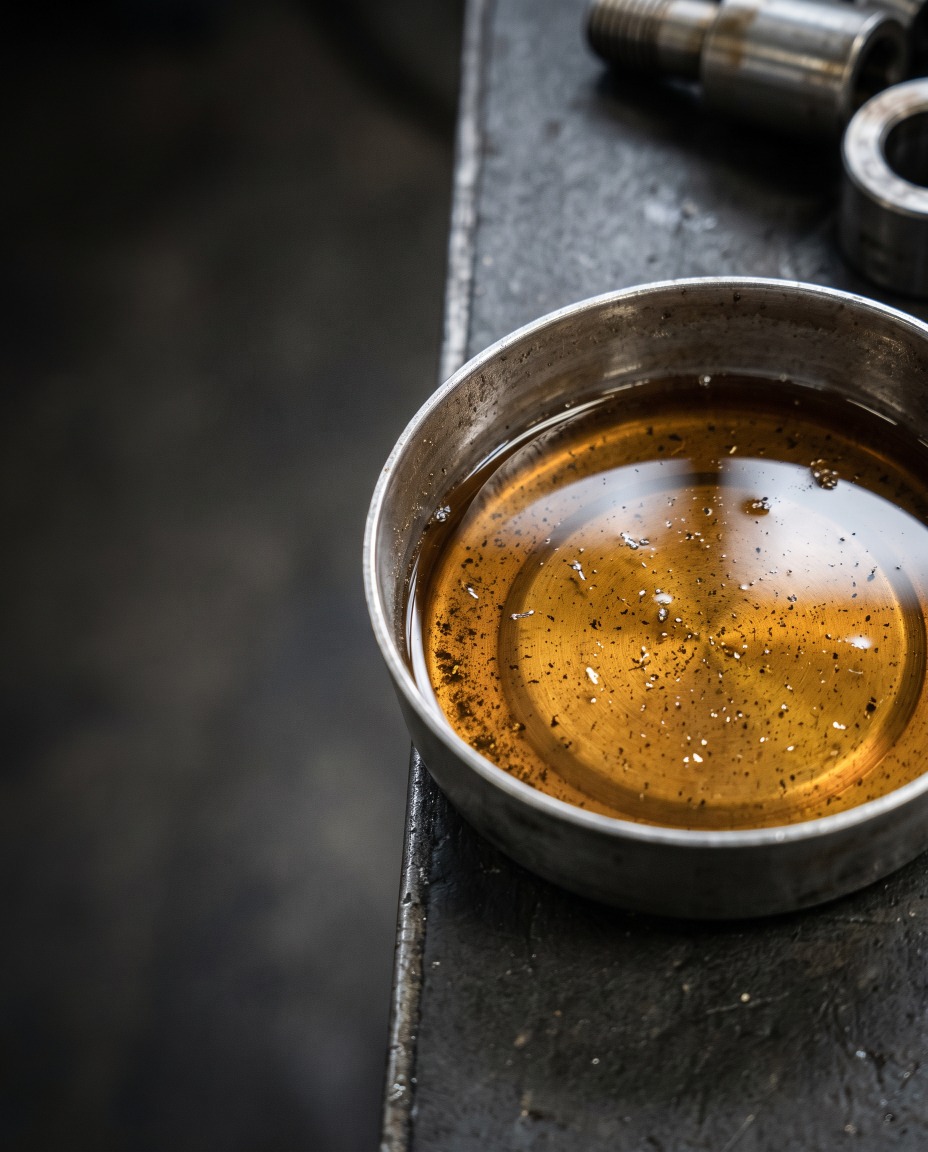
Dirt, metal particles, and other contaminants can abrade sealing surfaces and damage the seal over time.
Maintain clean hydraulic fluid, inspect filters, and follow proper fluid maintenance procedures.
Technical Inspection Note: Abrasive Particle Wear
Cause 3: Worn or Damaged Surfaces
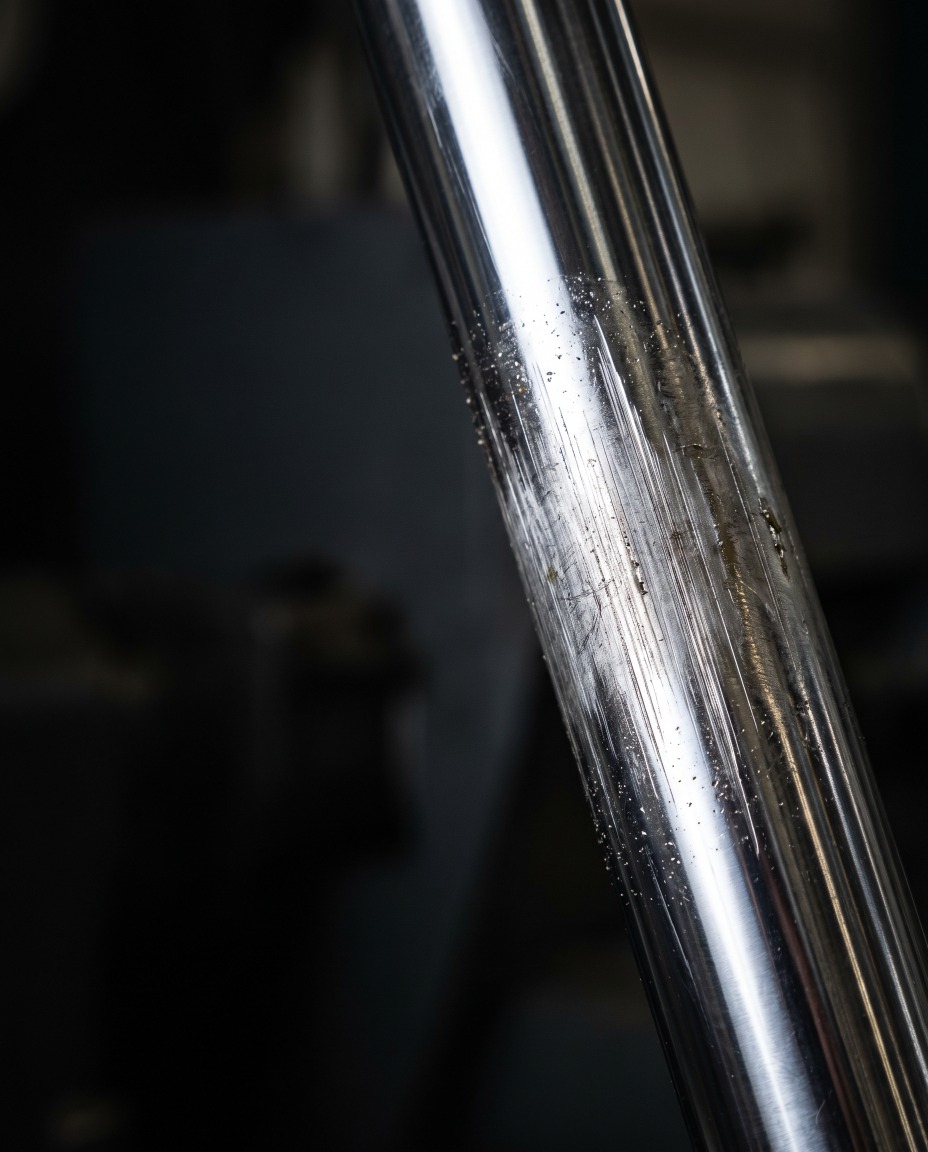
Scratches, corrosion, and rough piston-rod surfaces can wear down seals and create paths for hydraulic fluid to escape.
Inspect rod surfaces, check alignment, and repair surface damage before installing replacement seals.
Technical Inspection Note: Rod Scoring & Side Loading
Cause 4: Incorrect Seal Selection
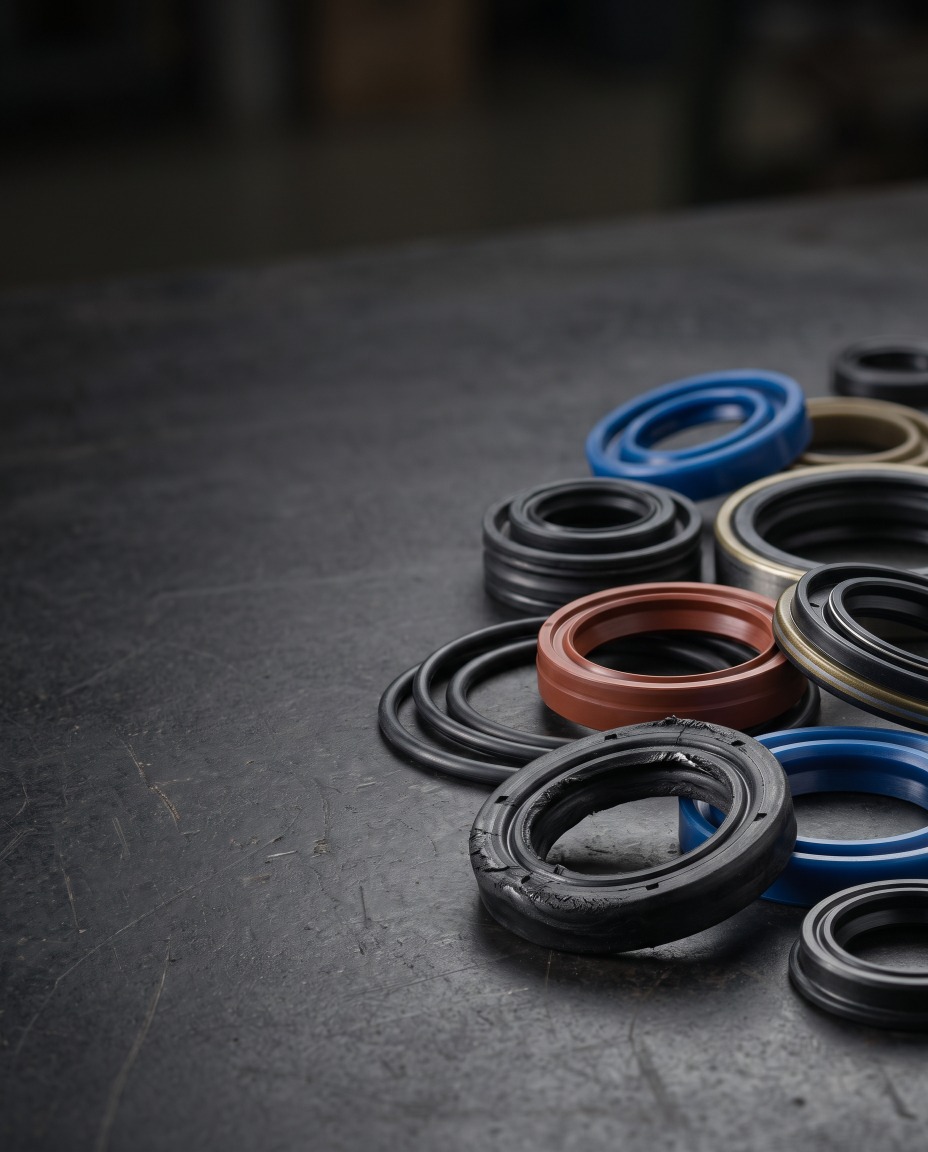
A seal that is incompatible with the fluid, pressure, temperature, or movement of the application may wear prematurely or fail to seal properly.
Match the seal material, design, and dimensions to the operating conditions.
Technical Inspection Note: Material & Profile Matching
Cause 5: Improper Installation
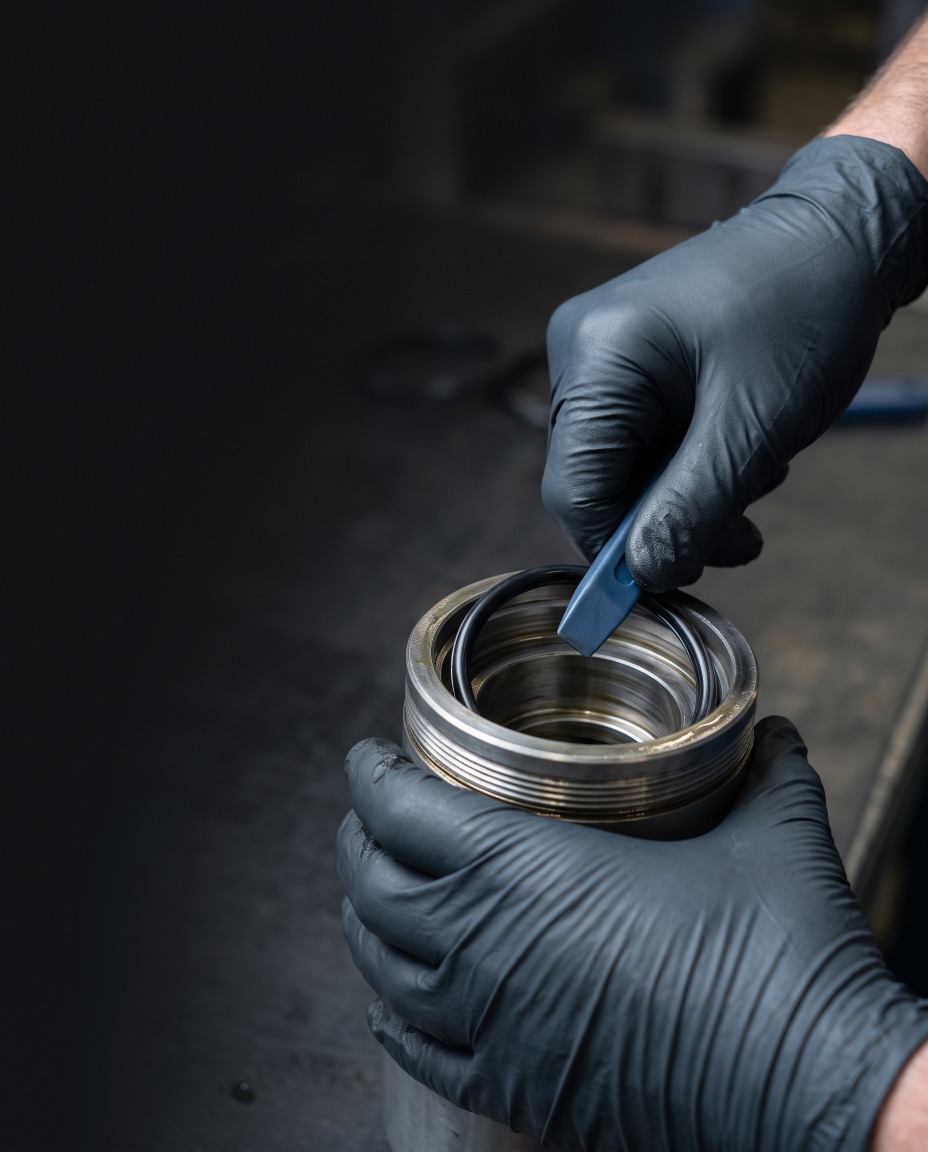
Twisting, cutting, stretching, or damaging a seal during installation can lead to leakage even when the seal itself is suitable.
Use the correct installation tools, follow the manufacturer's instructions, and inspect the seal before assembly.
Technical Inspection Note: Safe Assembly Practices
Identify the Signs of Hydraulic Seal Failure
Select an inspection symptom below to compare visible physical indicators, potential damage mechanisms, and recommended maintenance checks.
Symptom: Cracked or Hardened Seal
The seal material appears brittle, stiff, or deformed, with visible surface cracks and loss of flexibility along the sealing lip.
Exposure to excessive operating temperatures or selection of an elastomer compound that is not rated for the system's thermal or fluid environment.
Check system operating temperatures, inspect cooling performance, and verify that the replacement seal material matches the application's thermal conditions.
Symptom: Scratched Piston Rod
Longitudinal grooves, scoring marks, pitting, or rough areas are visible on the chrome piston-rod surface.
Abrasive debris trapped past the wiper seal, mechanical impact, corrosion, or misalignment causing metal-to-metal contact.
Inspect rod surfaces, check cylinder alignment and guide bearings, and repair or refinish damaged hardware before installing replacement seals.
Symptom: Contaminated Hydraulic Fluid
Suspended dirt, dark sediment, or metallic particles are visible in drained hydraulic fluid or on internal cylinder surfaces.
External contaminant ingression through worn wipers/breathers, internal component wear, or bypassed/clogged hydraulic filters.
Inspect hydraulic filters, flush or clean the fluid system, check wiper seals, and identify contamination entry points before returning the equipment to service.
Note: Visual inspection is a helpful starting point, but visual appearance alone cannot definitively diagnose the root cause of seal failure. Always evaluate full system operating conditions, fluid cleanliness, and hardware dimensions during troubleshooting.
5 Checks to Help Prevent Hydraulic Seal Failure
Use this local inspection checklist during routine hydraulic maintenance or seal replacement.
Prevent Repeat Failures by Finding the Root Cause
Replacing a damaged seal may restore operation, but identifying the underlying cause is essential to reducing repeat failures. Heat, contamination, surface damage, incorrect seal selection, and installation issues should all be considered during troubleshooting.
When maintenance teams combine thorough hardware and fluid inspections with properly specified industrial sealing solutions, hydraulic equipment operates more reliably with fewer unexpected interruptions. Whether you are troubleshooting recurring cylinder leakage or sourcing replacement seals for demanding operating environments, Beetle Technology can help you identify a suitable sealing solution for your application.

